Home · Services · Soot Removal
Soot Removal in Sterling Heights, MI
Quick answer
Soot removal with dry methods before wet, and test patches on paint, cabinets, and flooring, so an acidic residue is lifted off surfaces instead of being ground into them.
Soot removal here follows the residue: dry soot from a furnace puffback lifts differently than the wet, protein heavy soot of a kitchen fire, and the cleaning chemistry follows the test, not a habit. Soot tags at doorways and registers map how the smoke moved through the house, and that map decides which rooms are cleaned, which are sealed, and which had no exposure at all, a distinction the claim file also needs.
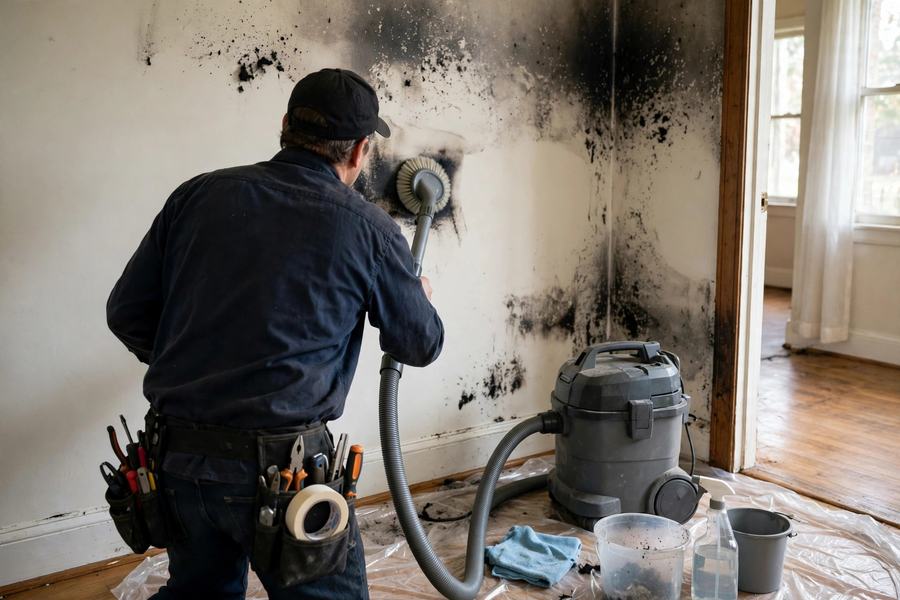
Signs you need soot removal
- Visible soot on walls, ceilings, or contents far from the fire room
- Smoke odor that returns after airing the house out
- Charred or heat-damaged materials and wiring
- Water pooled from firefighting in low rooms
- Windows or doors open to weather after the fire
What the job involves
What affects the price
- How many rooms carry soot, not just the fire room
- Whether contents pack out and storage are needed
- Structural damage versus cleaning-only scope
- Firefighting water volume and drying days
- Permit and inspection steps when walls or wiring open
When it is an emergency
A fire scene is an emergency even after the flames are out: openings invite weather and entry, soot is corrosive on many surfaces, and odor sets deeper every day. Secure the property and call.
PLACEHOLDERSoot Removal across the Sterling Heights area
Related services
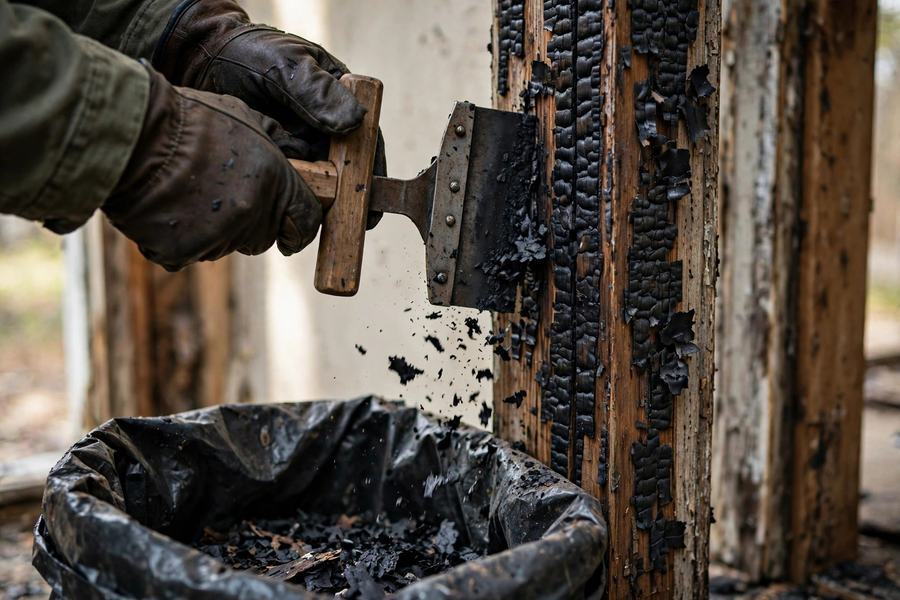
Fire Damage Restoration
Full fire restoration in Sterling Heights: home secured, burned material out, soot and smoke cleaned, structure dried, and the rebuild finished, under one coordinated scope.
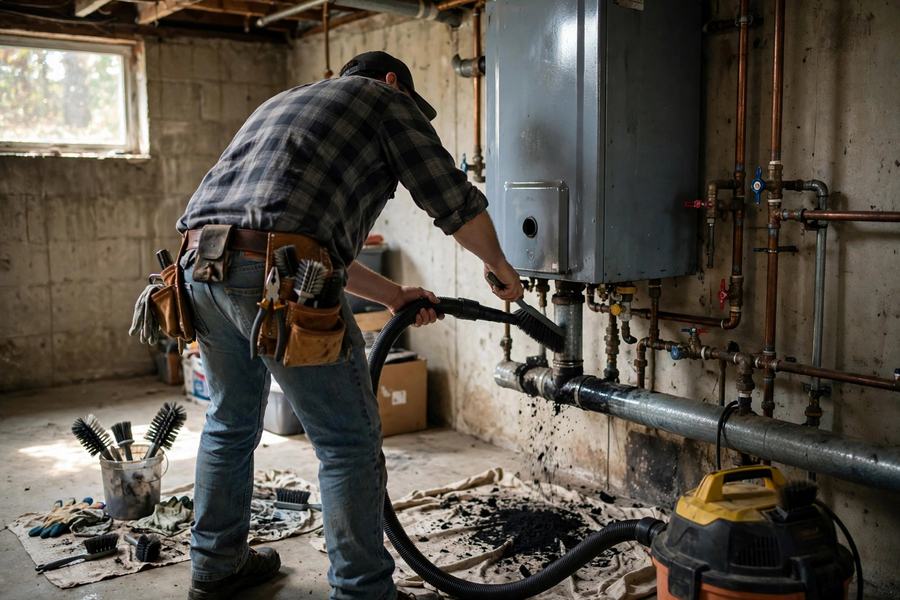
Furnace Puff Back Cleanup
Puff back cleanup for furnace soot distributed through the duct system: every register, room, and surface the soot settled on, cleaned so the furnace stops recirculating it.
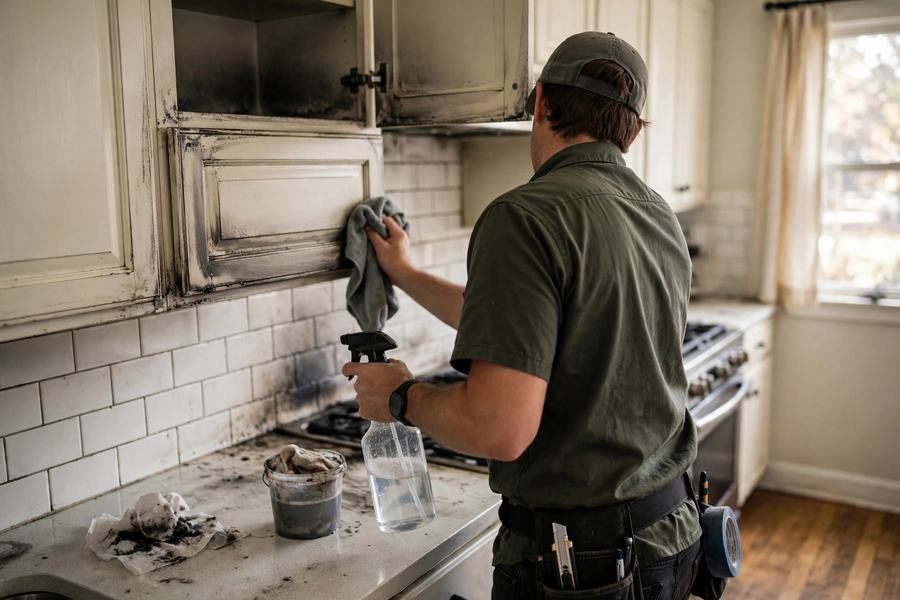
Smoke Damage Cleanup
Smoke cleanup for homes where residue moved through open floor plans and two-story foyers: each level assessed separately and cleaned in sequence, top floor first.
Emergency Board Up and Tarping
Board up and tarping for Sterling Heights homes the day of the fire: openings sealed against Michigan weather, garage and door damage secured, and the work photographed for the claim file.
Soot Removal questions, answered
When is soot removal an emergency?
A fire scene is an emergency even after the flames are out: openings invite weather and entry, soot is corrosive on many surfaces, and odor sets deeper every day. Secure the property and call.
What affects the price of soot removal in Sterling Heights?
The main price factors for soot removal are covered in the cost section above. The contractor confirms the exact price in a written estimate after seeing the job, and nothing is owed until you approve it. The call and the referral are free.
What should I do first after a house fire in Sterling Heights?
Stay out until the fire department releases the home. Open the insurance claim the same day. Get the home boarded and the roof tarped before nightfall; in Macomb County the next problem is weather, and a house with fire damage and no heat can freeze pipes quickly in winter. Photograph every room, both floors and the basement, before anything is moved, and keep damaged items for the adjuster. Do not run the furnace or central air until the ductwork is checked, because the system will pull soot into rooms that were not touched by the fire.
Can I stay in my home after a fire?
A contained fire with power and heat on, clean air in the bedrooms, and no structural damage can be livable with the work zone sealed. Soot on both floors, a damaged panel, or no heat in a Michigan winter means leaving. Finished basements cut both ways: they give a family somewhere to be during a small cleanup, but if firefighting water reached the lower level, that space is part of the work zone, not a refuge. When the home is judged unlivable, loss of use coverage typically pays for temporary housing, so let the assessment make the call.
How long does fire restoration take?
Day one is emergency work: board up, tarping, and water extraction, with drying running several days under logged moisture readings. Cleaning, soot, smoke, odor, and contents, usually takes one to two weeks. The rebuild sets the total calendar: a room can be a few weeks, while structural repairs with city permits and inspections run several months, and winter can slow roof and exterior work. Most moderate Sterling Heights fires are fully resolved in about two to four months. The most common early delay is reconciling the contractor scope with the adjuster scope, so push for that meeting in week one.
Request a callback
Prefer to talk later? Leave your details and an independent local pro will call you back. No charge to you, no obligation.
Clinton River Fire Restoration is a free referral service. Submitting this form connects you with independent local contractors who provide the work.